
OKM101 #4 - Instrumental Incidentals
Featuring ut mutem, Lauren Sonder, Facade, Meteorology

Welcome to Oklahoma Music 101! This week I am trying something slightly new, grouping this issue’s reviews by type. Inside you’ll find 4 recommendations for instrumental music, from hand-crafted ambient to expansive modular looping, from calming piano pieces to chaotic noise rock.
Georgia Primeval - ut mutem
July 7, 2025
You might hear the phrase “noise music” and anticipate abrasive textures and cacophonous clanging—certainly some of that does exist. But for many artists, a more harmonious, sometimes gentler approach is taken in the crafting of non-traditional music.
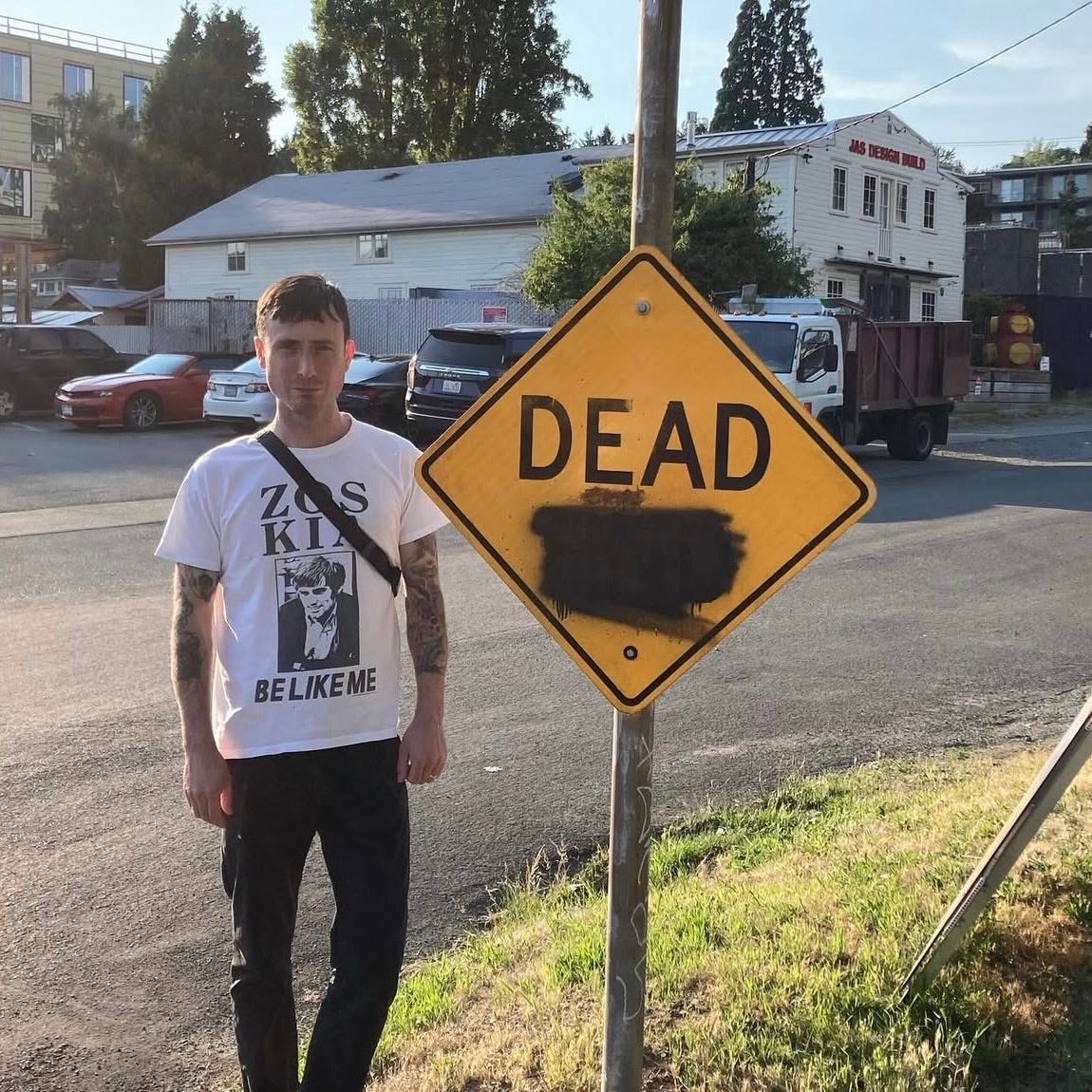
Georgia Primeval, the latest album from shaper of sounds ut mutem, is aural alchemy, the tapestry produced from a loom comprised not of individual threads but whole cloths—pure gestalt. Each of the ten tracks has a runtime of 3:33, a synchronistic structure that sets an internal rhythm and ritualistic tone for the project.
Tape skips, audio glitches, typewriter ticks, dials beeping, cars idling, machines whirling, buttons pressing and clicking, birds chirping and squawking; matter colliding and reverberating, resulting sound waves exploding, their very physical essence made subject for dissection, to be sampled, repurposed, altered.
For Andrew Lee—aka ut mutem—and his self-described “psychick youth ambient,” all sounds are fodder for this dissection and transformation, as he combines them with programmed drums and synthesizers, resulting in a hypnotic blend of rhythms, tones, and noise.
Manipulating time and space, moments collapsing in on each other, and eventually the listener, lending to trancelike states of blooming and receding lucidity.
Released in the dead of summer 2025 (on 7/7, for further symmetry), Georgia Primeval holds a similar sonic humidity, a tension simmering slowly under the surface. The other shoe seeming constantly on the verge of dropping, but never doing so—not in an anticlimactic sense, more like a perpetual cycle of questions and answers. The aforementioned analog sounds give the album a sensible centering against this heady nature.
Despite generally forgoing “traditional” melody and song structure, ut mutem develops a sense of story and motion in non-traditional music with intentional, human choices, infusing the proverbially cold digital soundscape with just enough warmth to attract the wanderer, but not to be repelling to their interaction.
FFO: Boards of Canada, ASMR, analog gear
Missing - Lauren Sonder
September 19, 2025
It might seem surprising to say that simplicity is not always found in instrumental music, but it’s easy to try to compensate for an absence of vocals—which, whether it’s true for you or not, is what the majority of listeners tend to focus on—with layers upon layers of different rhythms or melodies, and end up muddying the original expression of the idea.
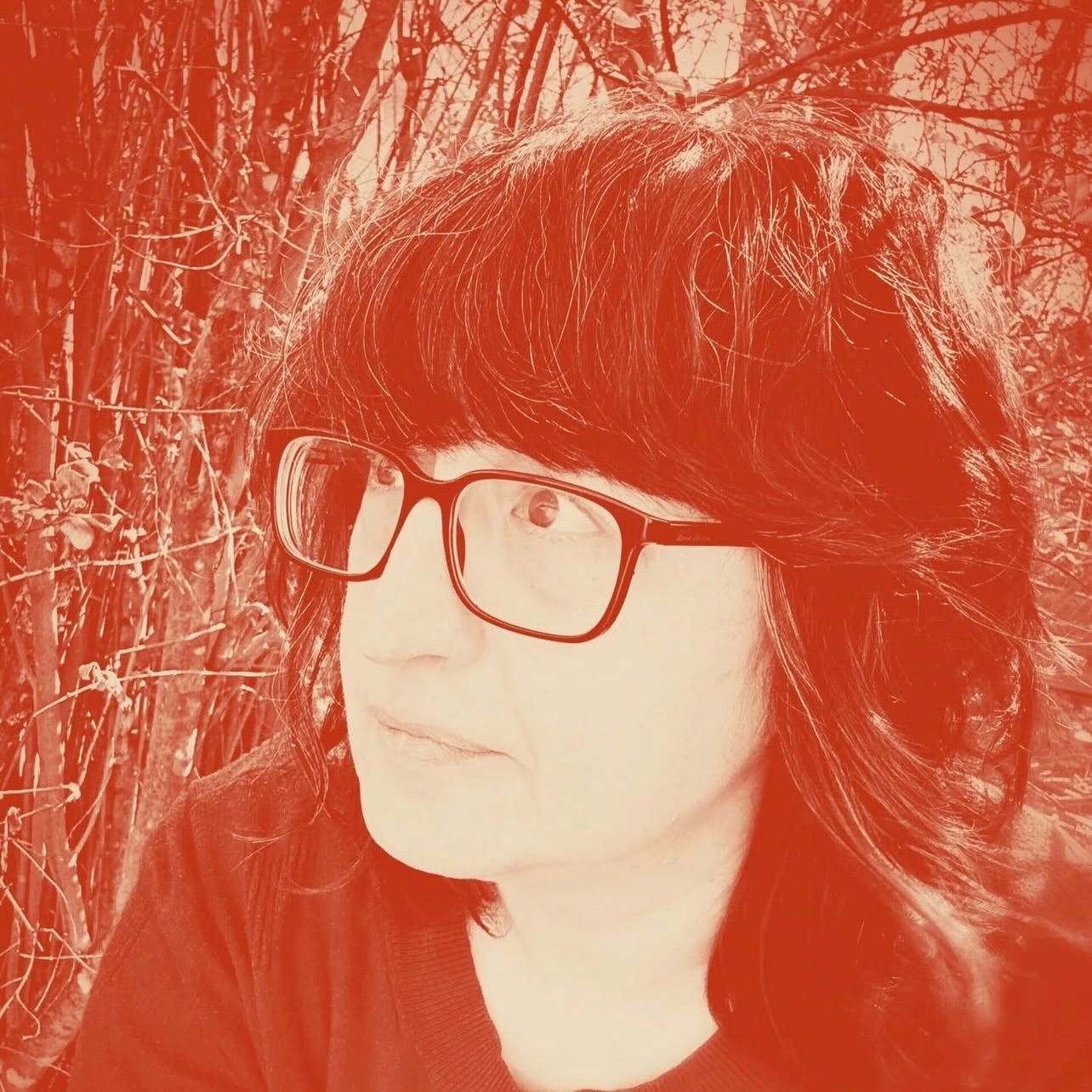
Pianist Lauren Sonder avoids this in the simplest way. Her EP Missing features four songs of solely piano—no other instruments, no additional parts or layers dubbed, not even any ambient sounds piped in; though there is a beautiful space around the instrument, with some graceful use of sustain and perhaps some reverb added in post.
Sonder alone draws the listener in with expressive playing, letting the soft-spoken melodies breathe and the emotions within unfold organically.
In a way, it is everything else that is missing here, and Sonder that is present, playing out into the darkness and painting it with her own perception. Per her description from a post on Instagram, Missing has “lots of room for breathing and processing emotions and maybe even imagining.”
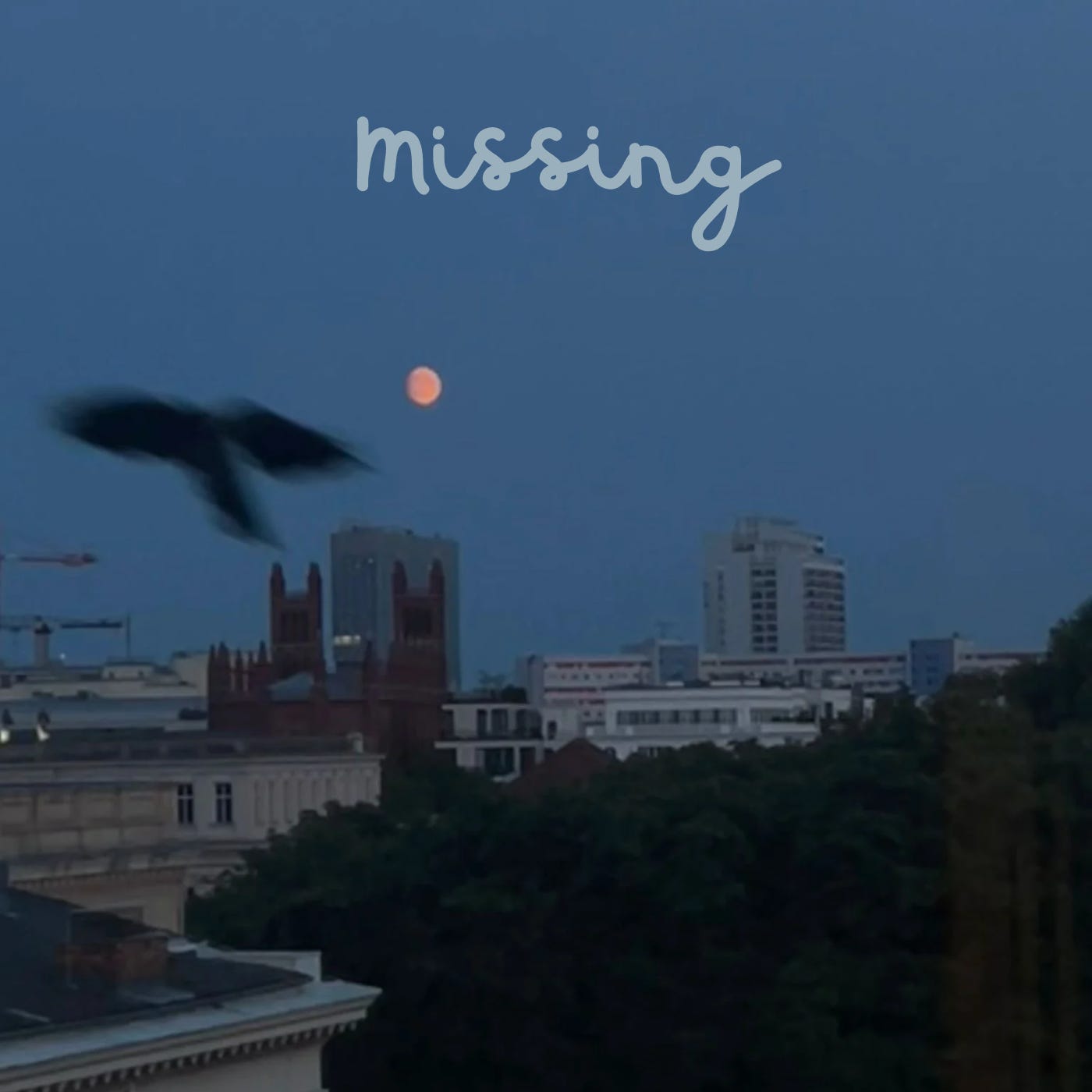
Indeed, much the like cover art - a photo of a Berlin night sky by Stefánia Penzes - the songs seem to sit under a gloomy overcast, but are not necessarily brooding; melancholy might be more appropriate: a blue mood cast over an otherwise peaceful evening.
Sonder also stated that the pieces were written in two places, Germany and Oklahoma. That distance declares itself within the music, as the space between each press of the keys shifts, seemingly stretching like the space between two vast, isolated lands.
Bodies oscillating but never caught in-between, always on one side or the other, looking out across at something that is distant—but only separate if we perceive it as such.
FFO: Moments (artist), moments (life), Pinot Noir
balltrain - Facade
March 26, 2025
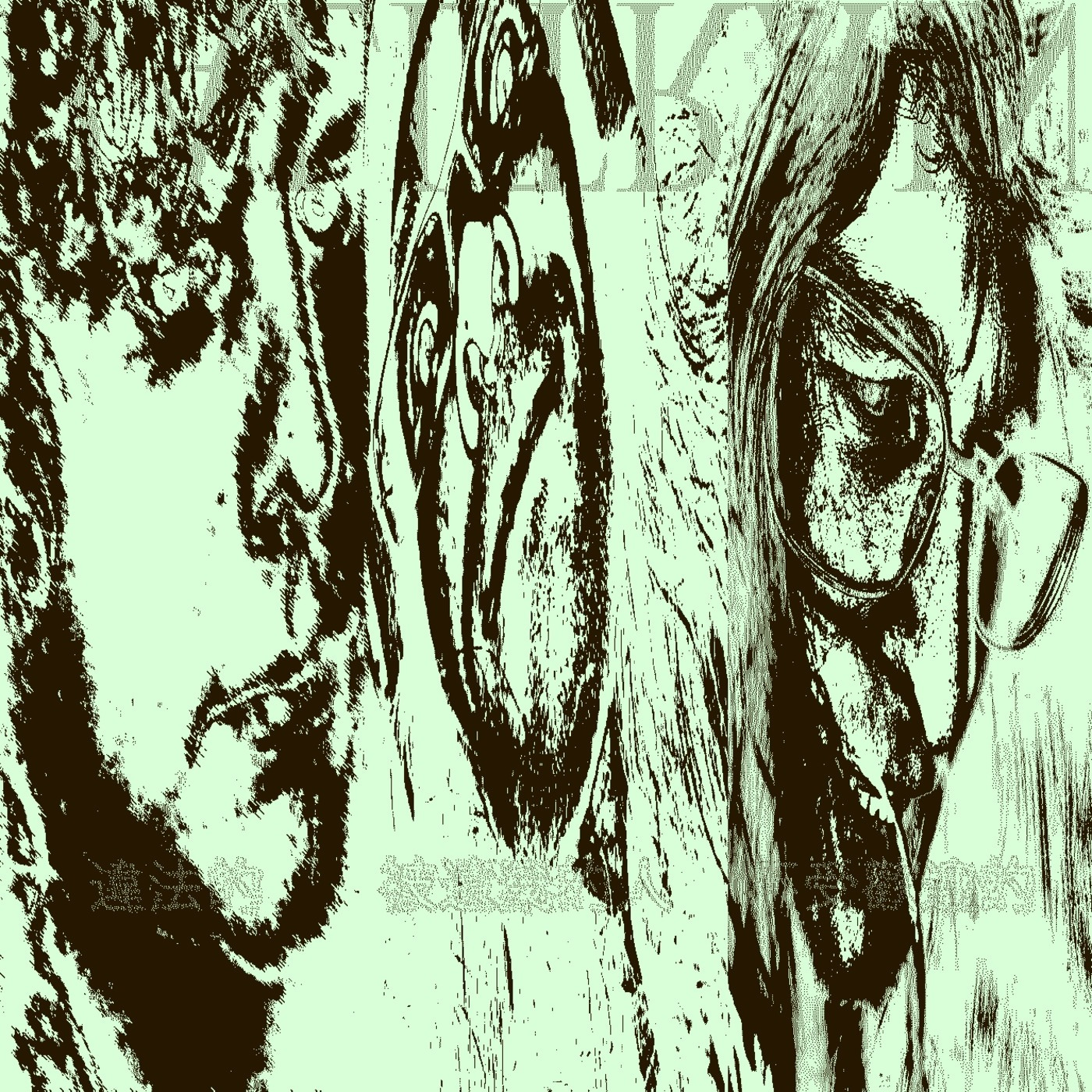
From the onset of the imposing opener of their first album, the tone Facade sets is, well, atonal. The noise rock band emulates elements from esoteric, sometimes grueling genres like doom metal, dungeon synth, and slowcore.
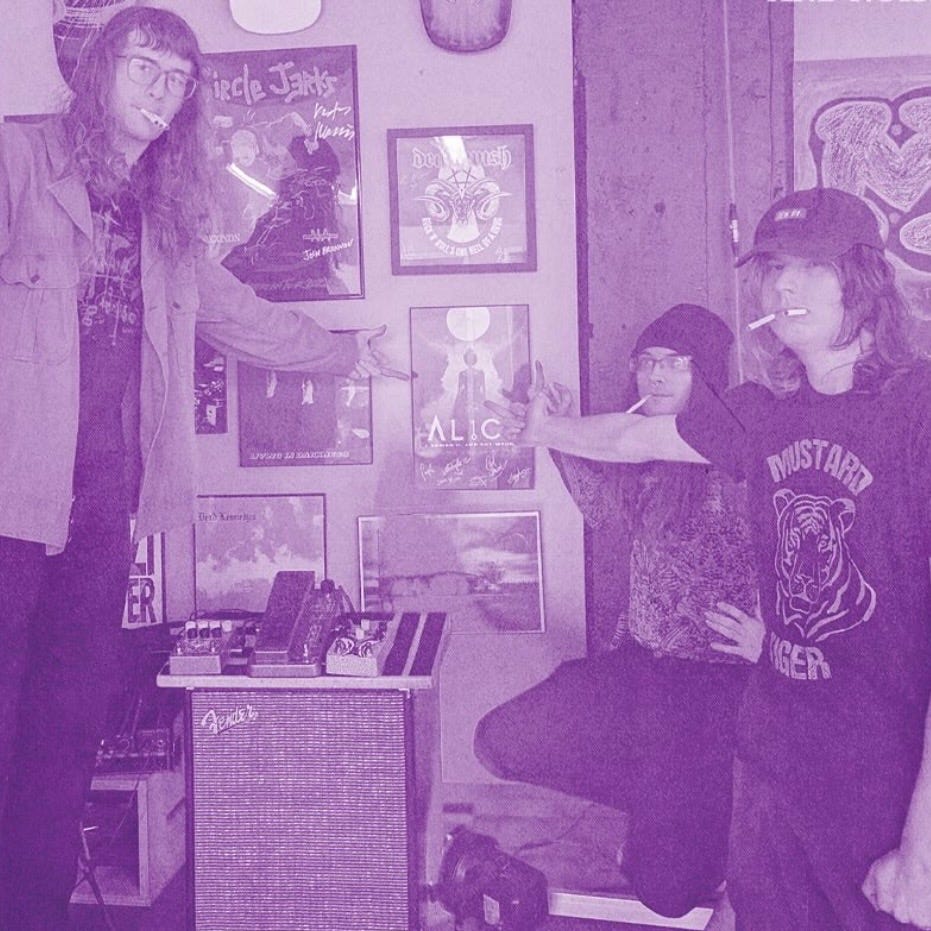
ball train’s eight tracks of varying lengths (from six minutes to fifty seconds) blend, and sometimes bleed, together in a slush of meandering, mysterious guitar parts over layers of gritty distortion and feedback—dissonance dissipating into resolve back into dissonance.
A scattered feeling—the feeling of being scattered—sinks through this slush, attempting to re-assemble itself. Aggressive but squashed drums batter against the impenetrable film stretched over them, occasional melodies drifting in and out, echoes and delays oozing: harsh, menacing at times; wary, regressive at others.
Moments of, if not clarity, then reprieve, still provide a bulwark against the abyss, such as the haunting “Nightvision 4”, though preceded and followed by volatile movements on “Sos Míostraithe” and “Skiftisàr”.
Any vocals are relegated so far back in the mix so as to not only become indecipherable, but hard to even discern if they actually exist, or if you’re hallucinating them.
The line between a symphony and a racket is a fine one. If just any one part becomes out of sync, the whole piece can fall apart—or become something entirely new—and that is the true facade. That is the boundary the band breaks and rebuilds, exposing the fragility of expectation, and positioning toward possibility.
FFO: Static-X, absurdism
Every Last Monday - Meteorology
April 11, 2025
As a journalist (and new owner of the Oklahoma City Free Press!), Brett Fieldcamp is often examining others’ experiences, existing inside of, and perhaps between, two domains: critic and creator. Fact-founded reasoning vs freeform expressionism.
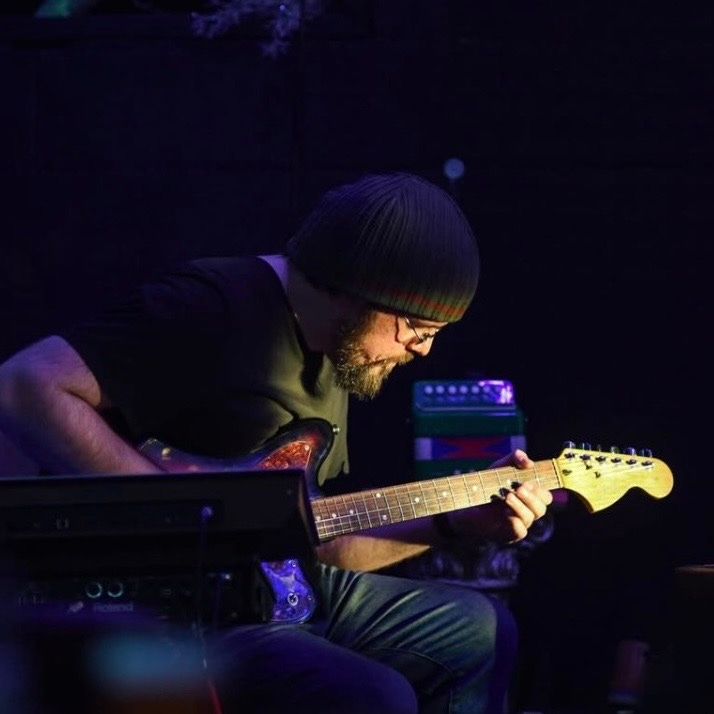
As Meteorology, Fieldcamp merges the gap between the two, inviting listeners into his world, where that union is articulated among atmospheric, looping guitars and chilled synthesizer stylings, tied together by droning tones and rhythmic loops.
With its shortest song clocking in at ten minutes, his album Every Last Monday almost takes the form of a meditation: an invitation to simply step into what’s in front of you.
The opener “Start Where You Are”, like its title, has a steadfast disposition. Anchored by a simple drum loop, movements of subtly soulful guitars devolve as new parts slowly shift into place; then all of a sudden, like the weather, the whole mood has shifted and everything feels different, though you’re still standing in the same spot.
“A Bird with Six Wings” again constructs layers of delayed guitar, while tamed synths settle in below. Despite being constructed largely by loops, there is a natural pace to the pieces, as Fieldcamp allows them to both evolve and exist as they are in the moment, balancing between advancement and presence, moving forward but still taking the time to look around (à la Bueller).
“Where the Walls are Thin” begins ominously, dark drum loop pulsing, bass rumbling in the underbelly. The shadows eventually reveal themselves, in some way seeming more honest than the light, the horizon between them blurring as the song expands, sometimes melding while never inverting.
The fourth horseman/track, “Competitive Martyrdom” ignites with dramatic energy, its pulsing sixteenth notes pushing headfirst into the unknown, preparing to face the future. Near the end of the staggering 26 minute runtime, the song settles on a feeling like laying down to rest, not in eternal resolve, but hard-won contentment—which, temporary though it may be, still rejuvenates.
The album’s title comes from a 2022 live show series called Mental Mondaze that Fieldcamp conceptualized these pieces for, cutting his teeth on long-form experimental, modular performances, including his first ever performance of the final triumphant track—a photograph of which (by Maurice S. Pérez) also became the cover art.
Repetition brings reliability, encouraging determination. Building up, falling down, realigning; repeating, stretching, breathing. Every moment is a multitude, reality is confined to perception. The cover frames Fieldcamp centered, but also diminished in the background, a contradiction inherent. We can only see through glimpses, but does that mean our vision is incomplete?
Georgia Primeval is so fucking good